Category: Skill Development
-
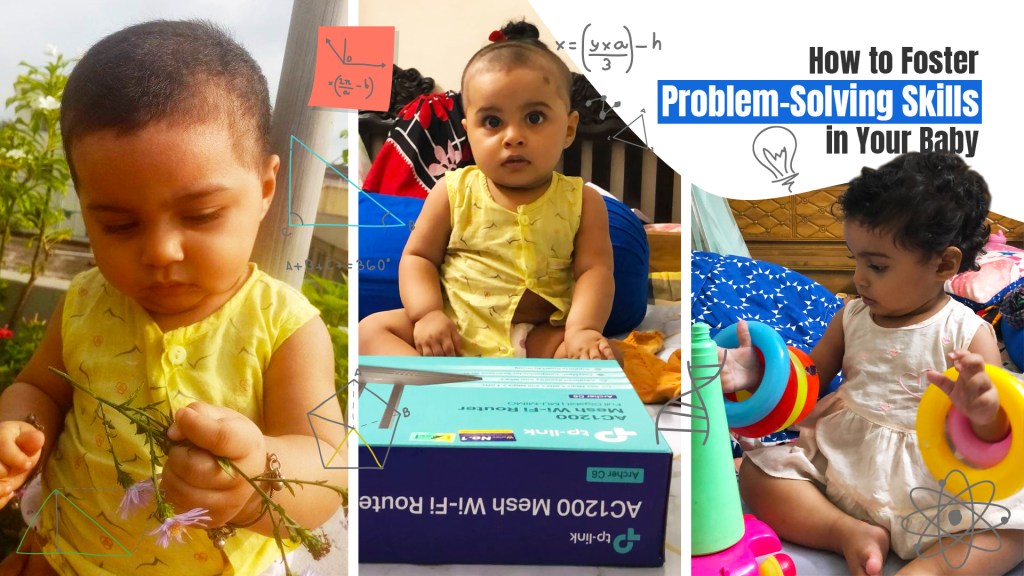
How to Foster Problem-Solving Skills in Your Baby: A Science-Backed Guide for Parents
Science-backed guide for parents: Discover how to nurture your baby’s problem-solving skills from infancy. Learn practical strategies, from responsive parenting to creative play, that build a foundation for lifelong learning and resilience. Start fostering critical thinking today.
-
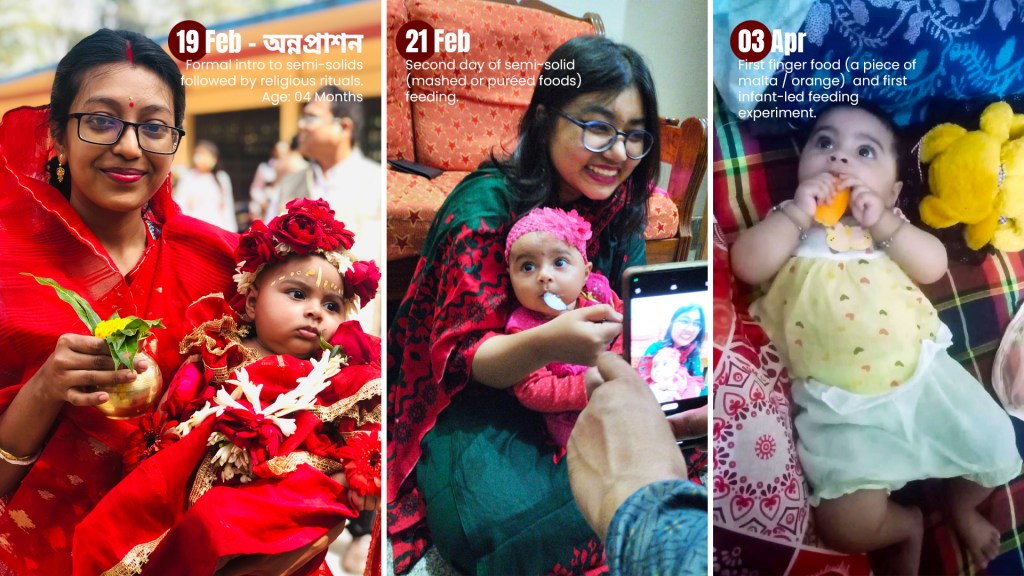
How to Foster Your Baby’s Speech Development: What Science Really Says About Feeding, Chewing, and Talking
Does chewing or finger food help babies talk? Learn what research says about feeding, oral development, and what truly supports speech development.
-
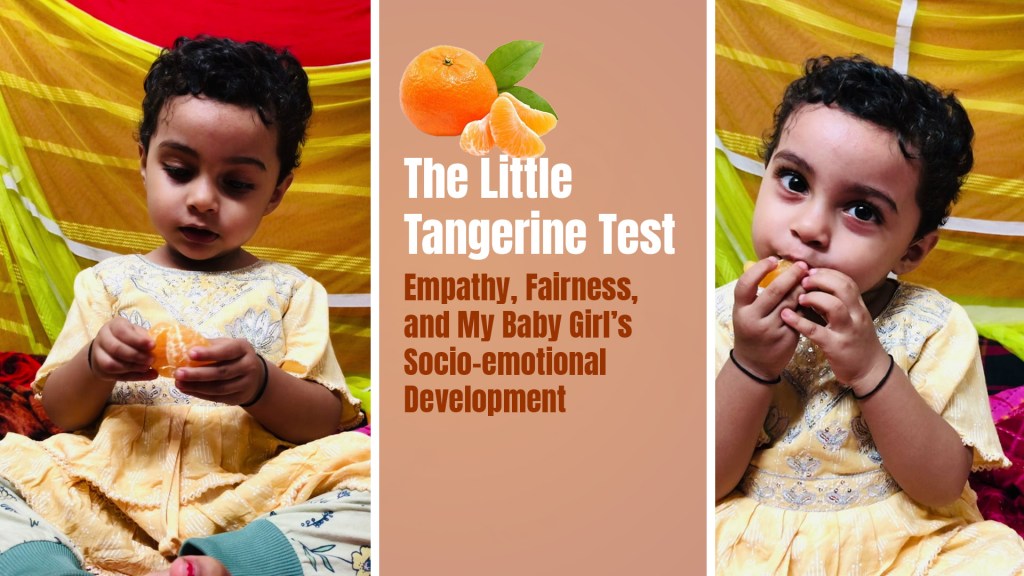
Empathy, Fairness, and My Baby Girl’s Socio-emotional Development: Our Tangerine Experience
Have you ever wondered if a toddler — barely two years old — can understand fairness, empathy, generosity, or even say “cheers” before eating a piece of fruit? Last night, I witnessed something that made me stop and rethink what toddlers are capable of. Keep reading, and by the end, you might want to try…
-
How to Foster Your Toddler’s Language and Communication Skills Naturally: Insights from My Parenting Journey
Sajal Kanti Ghosh shares insights into his daughter Durga’s language development journey, emphasizing the importance of communication skills in toddler growth. He outlines significant language milestones and strategies for fostering vocabulary through interactive play and daily interactions. The blog combines scientific insights with personal parenting experiences to guide caregivers effectively.
-
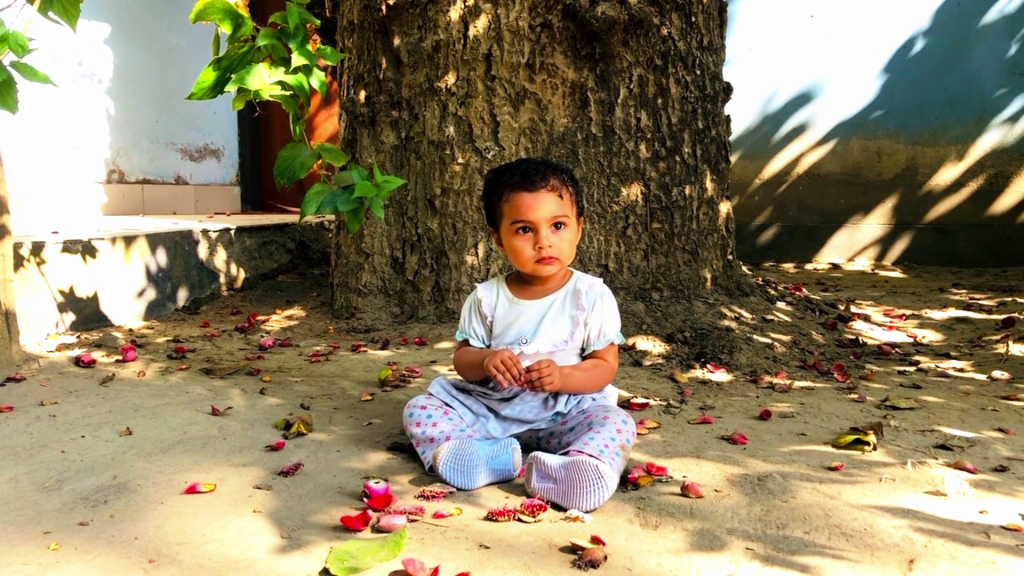
Daughter 👶 Nature🌲 Flower 🌺 : Embracing Silence Under the Nagalingam Tree
Under the beautiful Nagalingam tree, cherished moments blossomed between parent and child, fostering curiosity, emotional security, and self-awareness. These quiet experiences are vital for instilling confidence and emotional growth in children. As a parent, participating in this journey is a precious gift, weaving deeper connections one soothing moment at a time.
-

Fun Educational Treasure Hunts Game for Toddlers
Ready to engage your toddler in a treasure hunt? This thrilling game isn’t just fun—it’s a transformative developmental tool! It sharpens motor skills, sparks curiosity, and boosts observational acumen. As little ones explore and discover, they learn and grow, one adventure at a time. Ready to turn playtime into dynamic learning?
-
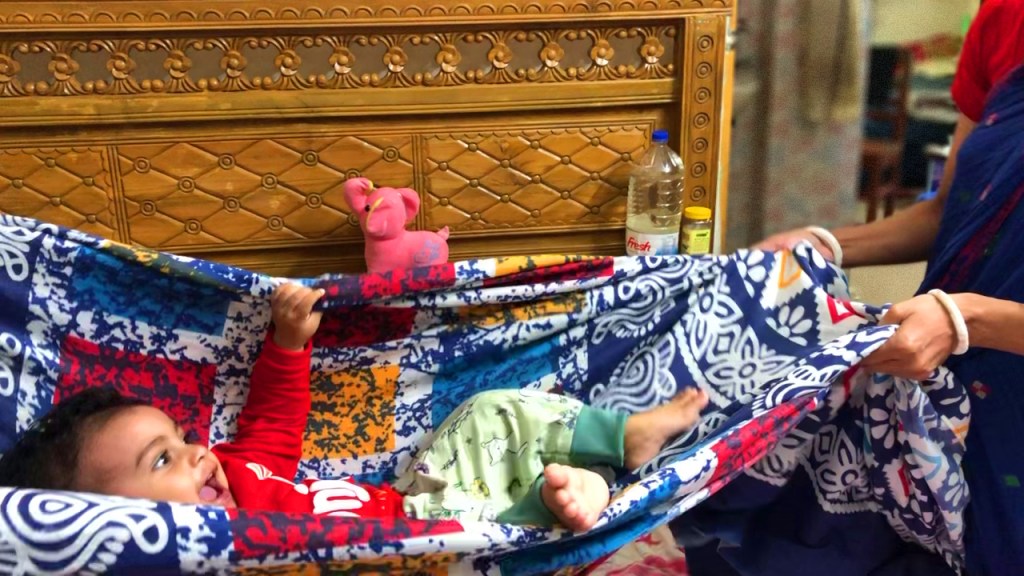
Vestibular Input and Blanket Swinging: Enhancing Development in Babies and Toddlers
Want your child to thrive? Don’t overlook the power of vestibular input! Activities like blanket swinging provide safe and enjoyable ways to stimulate this system, fostering motor skills and sensory integration. By integrating such activities into daily life, parents can enhance their child’s growth while creating joyful bonding moments.
-

Why Do Babies Grab Glasses and Earrings? Understanding Curiosity in Young Children
Parenting a one-year-old involves amusing and surprising moments as babies explore their environment, often pulling glasses or earrings. This behavior indicates healthy development through sensory exploration, motor skill refinement, and cause-and-effect understanding. While managing safety risks, parents can support their child’s growth by redirecting attention and providing safe sensory alternatives.
-

Unlocking 🔓 Your Baby’s 👶 First Steps 👣 : The Surprising Reflexes and Skills of Newborns
Human infants 👶 take about a year to achieve independent 👣 mobility. However, did you know that even newborns have a built-in walking reflex? This article explores the fascinating “stepping reflex” in newborns and other reflexes that play a crucial role in early motor development. We propose a simple experiment to explore the stepping reflex in your baby.
-
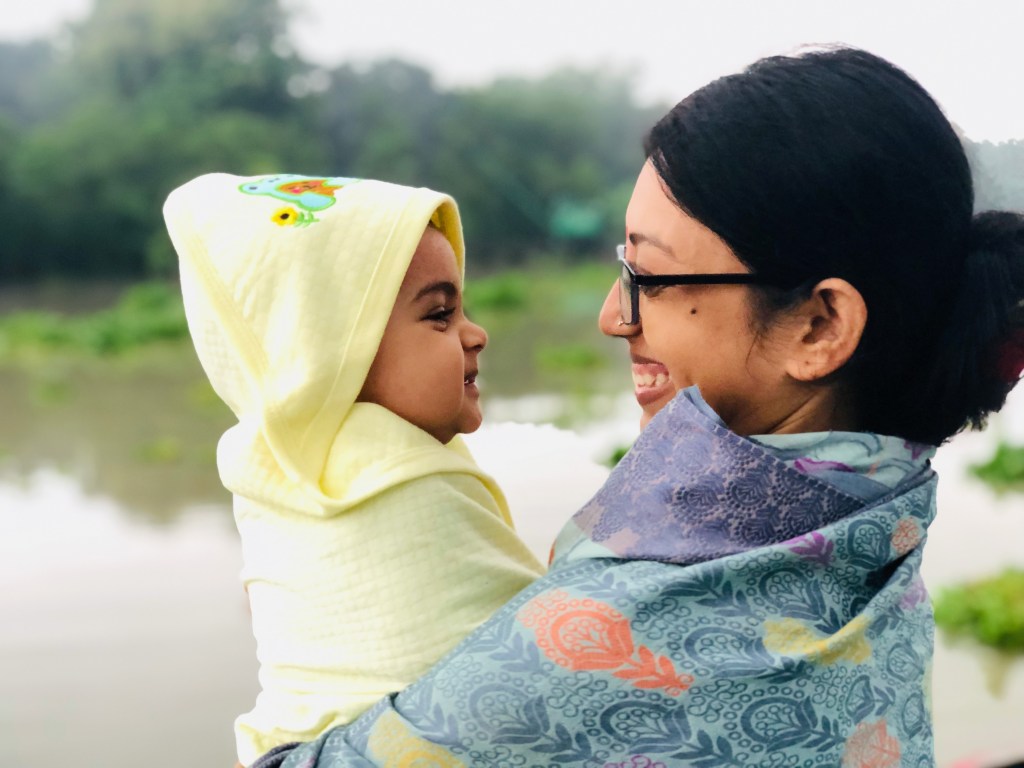
Engaging Your Newborn: How Imitation Builds Bonds and Boosts Development
Imitation is one of the first ways your newborn learns. Research shows that newborns can mirror facial movements within their first few weeks. This natural tendency to imitate helps your baby practice the foundations of communication and social interaction. By copying your expressions, your baby engages in an early form of bonding and learning. This…
-
Physical Development: Key Milestones, Progression, and Influences
Understanding children’s physical development involves recognizing motor milestones, which are predictable stages of skills like gross and fine motor actions. While milestones serve as essential indicators, variations in progression exist based on unique factors like culture and socioeconomic status. Supportive environments help children explore and achieve their physical potential confidently.
-

Supervised Tummy Time: 3 Activities to Promote Your Baby’s Physical Development
Supervised tummy time plays a vital role in your baby’s early physical development. It strengthens the muscles in their neck, shoulders, arms, and back, which are essential for key milestones like rolling over, sitting up, crawling, and eventually walking. Additionally, tummy time provides babies with a new way to visually explore their surroundings. Instead of…
-
How to Build Strength from the Start: Gross Motor Skills in Newborns and Infants
As parents, watching our little ones grow and achieve new milestones is a heartwarming journey. One of the earliest signs of your baby’s development comes in the form of gross motor skills—those important abilities that involve using the large muscles of the body. From their first tummy time to the exciting moment they roll over…
-

Understanding Gross Motor Development: The Importance of Tummy Time
The post highlights the magical journey of babies mastering gross motor skills, starting from head control to walking. Key practices like tummy time are essential for their development, helping strengthen muscles. Each child’s growth is unique, and gross motor skills foster mobility, confidence, and independence, allowing exploration of their surroundings.
-

Benefits of Lego Toys for Babies
The author shares their experience of introducing Lego toys to their 10-month-old daughter, emphasizing her interest in disassembling pieces. They reflect on their childhood connection to Lego, inspired by a chapter in “Sophie’s World.” The learning objectives include enhancing physical development, stimulating imagination, and fostering early management skills through play.
