
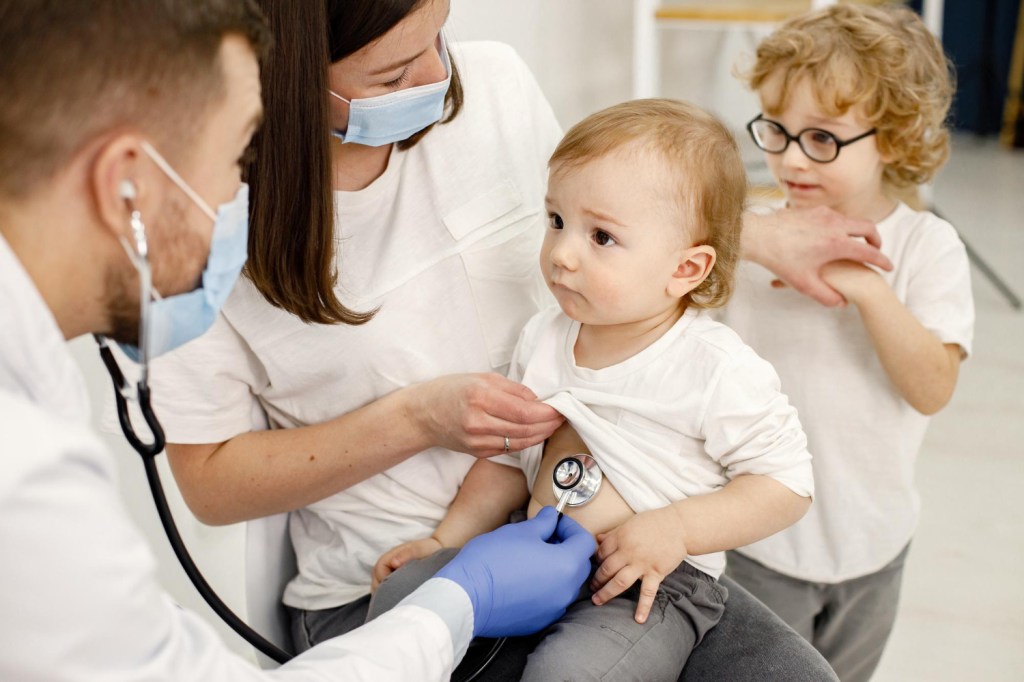
Most parents know to watch out for fevers, rashes and coughs. Very few are ever told to worry about their child’s blood pressure.
Yet research published in The Lancet Child & Adolescent Health ↗️ shows that high blood pressure (hypertension) is no longer just an adult disease. It is increasingly common in children and teenagers around the world – and it quietly sets the stage for heart and kidney problems decades later.
This doesn’t mean parents should panic. It does mean we need to understand the problem, ask for proper checks, and create healthier routines at home, in schools and in our communities.
This article will walk you through:
- What hypertension in children is and how it’s measured
- How common it is worldwide (with specific data by region and country)
- Which children are at higher risk
- What can happen – both in childhood and later life
- How families and communities can help prevent and manage it
- Why it is so often missed or underdiagnosed
Table of Contents
- Attention !
- 1. What is high blood pressure in children?
- 2. How common is childhood hypertension?
- 3. Who is at risk? (Risk factors you should know)
- 4. What can hypertension do to a child’s body?
- 5. Why is childhood hypertension so often missed?
- 6. What can parents and communities do to prevent hypertension?
- 7. How is childhood hypertension treated? (Non-drug and drug approaches)
- 8. What can parents do right now?
- 9. The bigger picture: from Raising a Baby to raising a healthier generation
- Support us ❤️
- References
Attention !
All information here is for education and awareness development. It is not a substitute for medical advice. Always discuss concerns and decisions with your child’s health-care provider.
This article is based on the publication “Under pressure: the lifelong cardiovascular health of children and youth with primary hypertension,” published in The Lancet Child & Adolescent Health. The original article is available on the publisher’s website at:
https://www.thelancet.com/journals/lanchi/article/PIIS2352-4642(25)00302-5/abstract
This blog post is intended to provide a summary and commentary on the study’s key findings. Readers are strongly encouraged to consult the original publication for comprehensive details, methodology, and the full context of the research.
1. What is high blood pressure in children?
1.1 What “blood pressure” means
Blood pressure is the force of blood pushing against the walls of the arteries. It is recorded as two numbers:
- Systolic (the top number): pressure when the heart beats
- Diastolic (the bottom number): pressure when the heart relaxes between beats
In adults we use fixed thresholds (like 140/90 mm Hg) to define hypertension. In children, it’s more complicated because “normal” blood pressure changes with age, sex and height.
1.2 How hypertension is defined in children
According to major paediatric guidelines (summarised in the large comparison table on page 6 of the Lancet review) ↗️:
- For most children under 13:
- Normal: below the 90th percentile for age, sex and height
- Elevated: from 90th to less than 95th percentile
- Hypertension: 95th percentile or above, confirmed on repeated measurements
- For teenagers 13 years and older (US guideline):
- Hypertension: 130/80 mm Hg or higher, or still ≥95th percentile, whichever is lower
Different regions have slightly different cut-offs:
- American Academy of Pediatrics (US, 2017)
- European Society of Hypertension (Europe, 2016)
- Hypertension Canada (Canada, 2020)
- China (2018)
- Japan (2019) These are laid out side-by-side in Table 1 on page 6.
1.3 How blood pressure should be measured in children
The review stresses that measurement errors are common and can be large (sometimes 10–30 mm Hg off). Key points for parents:
- Your child should:
- Be calm, seated, feet on the floor, back supported
- Rest quietly for 3–5 minutes
- Have the arm supported at heart level
- The cuff size must be correct:
- A cuff that is too small can overestimate blood pressure by as much as 20 mm Hg.
- For screening, clinics may use automated devices. For diagnosis, guidelines recommend:
- Repeating the reading during the same visit
- Confirming elevated values on later visits
- In many countries, using 24‑hour ambulatory blood pressure monitoring (a portable monitor worn for a day and night) to confirm hypertension and detect “white coat hypertension” (high readings only in the clinic).
If your child has a single high reading, it does not automatically mean they have hypertension – but it does mean they should be checked again properly.
2. How common is childhood hypertension?
The review shows hypertension in children is increasing worldwide, with important regional and country-level details.
2.1 Global overview
A large systematic review of children and young people aged 6–19 years found:
- Worldwide pooled prevalence: 4.28% (95% confidence interval 3.71–4.90)
By WHO regions:
- Western Pacific Region: 4.26% (3.37–5.25)
- Region of the Americas: 3.61% (2.74–4.60)
However, the authors emphasize that global figures likely underestimate the true problem, especially in regions with few studies.
2.2 Africa
A meta-analysis of 41 studies from ten African countries (children aged 3–19 years, over 52,000 participants) found:
- Hypertension: 7.4%
- Elevated blood pressure (pre-hypertension): 11.4%
- Hypertension + elevated blood pressure combined: 21.7%
Important patterns:
- Big differences between rural and urban areas (summarised on page 1–2):
- Urban children more likely to have obesity and high blood pressure
- Rural children more likely to be underweight, which tends to lower blood pressure but brings other serious health risks
2.3 South Asia (individual countries)
A systematic review of 70 studies (313,167 children aged 5–17 years) found a high prevalence of hypertension in South Asian children (6%), with country-level data:
- Nepal: 9.4% (8.2–10.5) – highest median prevalence in the region
- Pakistan: 7.6% (2.6–22.7)
- Sri Lanka: 6.7% (single study, 6.7–6.7)
- India: 5.9% (3.2–9.8)
- Bangladesh: 3.2% (1.5–5.1)
These numbers (highlighted on page 1) show that childhood hypertension is not just an issue in wealthy countries; in fact, many low‑ and middle‑income countries (LMICs) have higher burdens.
2.4 Weight and blood pressure
Across regions, body weight is a powerful driver:
- Children with overweight or obesity:
- Hypertension prevalence 18.5% (10.2–28.5)
- Underweight children: 1.0% (0.1–2.6)
- Normal weight children: 4.8% (2.9–7.1)
In a large European dataset of more than 63,000 children with overweight/obesity, 35% had hypertension (page 3).
3. Who is at risk? (Risk factors you should know)
The big conceptual diagram on page 2 (Figure 1) summarises how various factors across life – from pregnancy to adolescence – increase the risk of hypertension and its complications.
We can group them into:
3.1 Non‑modifiable risk factors
These are factors we can’t change, but we can watch more closely and act early:
- Family history of hypertension
- Sex: boys often have steeper rises in blood pressure during puberty
- Genetics: blood pressure tends to “run in families”
- Ethnicity: some groups (for example, many Black African and South Asian populations) have higher rates of hypertension and salt sensitivity
- Birth history:
- Low birthweight
- Premature birth
- Small for gestational age
- Pregnancy complications like maternal hypertension and pre‑eclampsia
These findings support the “developmental origins” concept: what happens in pregnancy and early life can shape heart and kidney health decades later.
3.2 Modifiable lifestyle factors
These are areas where families and communities can make a real difference:
- Excess body weight / obesity
- Overweight teens have about a 2.6‑fold higher risk of hypertension; the risk is even higher with obesity.
- Diet:
- High salt intake (from processed foods and added salt during cooking/eating)
- Ultra‑processed foods and sugar‑sweetened drinks
- Low intake of fruits, vegetables and potassium
- Physical inactivity and sedentary behaviour
- Long hours of screen time (TV, phones, tablets, gaming), often replacing active play
- Sleep problems
- Chronic lack of sleep
- Sleep disorders such as obstructive sleep apnoea
- Smoking exposure
- Active smoking in older adolescents
- Passive smoking from family members
- Stress and social environment
- Chronic stress, family conflict, unsafe neighbourhoods
- Social determinants: poverty, limited access to healthy food, unsafe places to play
3.3 Broader public health and environmental factors
As discussed on pages 2–3 and in Figure 1:
- Air pollution
- Noise and heat (environmental stressors)
- Limited access to health care and screening
- Limited opportunities for safe exercise
- Aggressive marketing of unhealthy food and beverages to children
These are not within a single parent’s control, but they are critical targets for policy and community action.
4. What can hypertension do to a child’s body?
High blood pressure in children is not just a “number” problem. The review shows convincing evidence of organ damage already happening during childhood and adolescence.
4.1 Target organ damage in childhood
The summary figure on page 2 (Figure 1) lists the main organs affected:
- Heart
- Thickening of the heart muscle: left ventricular hypertrophy (LVH)
- Early heart dysfunction
- Blood vessels
- Early atherosclerosis (fatty changes in arteries)
- Increased arterial stiffness
- Kidneys
- Protein leaks in the urine (albuminuria/proteinuria) – an early sign of kidney stress
- Eyes
- Changes in the tiny blood vessels in the retina (hypertensive retinopathy)
- Brain
- In severe cases: confusion, seizures, stroke, or hypertensive encephalopathy
Key findings:
- Children with confirmed ambulatory hypertension had:
- Nearly 5‑times higher odds of LVH
- Higher arterial stiffness and thicker carotid artery walls than healthy peers (page 4).
- In a meta‑analysis of over 5,600 untreated hypertensive children, about one‑third already had LVH.
The good news: in one study, 12 months of lifestyle changes plus medication improved artery thickness and vessel remodelling in adolescents (page 4). Early action can reverse some of this damage.
4.2 Long‑term heart and kidney outcomes in adulthood
The review summarises several large, long‑term studies:
- Children with blood pressure above the 90th percentile had double the risk of a cardiovascular event (like heart attack or stroke) in adulthood (around age 50).
- In a Canadian population study (page 5):
- Children diagnosed with hypertension had:
- Major adverse cardiac events: 4.6 per 1,000 person‑years
- Versus 2.2 per 1,000 person‑years in non‑hypertensive children
- This is a 2.1‑fold higher risk.
- Children diagnosed with hypertension had:
- In otherwise healthy Israeli adolescents (16–19 years old), those with hypertension had almost double the risk of end‑stage kidney disease over about 20 years.
- In Ontario, Canada (page 5):
- Children with hypertension had a three‑fold higher risk of major adverse kidney events and used more health‑care resources (more hospitalisations and doctor’s visits).
4.3 Cognitive and emotional consequences
Evidence here is mixed but concerning:
- Children with untreated hypertension have shown:
- Lower scores in 🧠 memory, attention and executive functioning
- More “internalising” behaviours: depression, anxiety, social withdrawal
- Higher systolic blood pressure was linked to weaker performance on certain intelligence and attention tests in adolescents (SHIP‑AHOY study, page 5).
Not all studies find a strong link, but overall the pattern suggests high blood pressure may affect brain development and school performance in some children.
5. Why is childhood hypertension so often missed?
The “knowledge gaps” panel on page 10 and the measurement discussion on pages 5–7 highlight several reasons:
5.1 Limited and inconsistent screening
- Guidelines differ in:
- How often to check blood pressure
- At what age to start
- In practice, even where guidelines exist, blood pressure is often NOT measured routinely at paediatric visits, especially in:
- Busy primary care clinics
- Low‑ and middle‑income countries, where child health checks may focus only on weight and vaccines
5.2 Equipment and technique problems
- Few validated devices suitable for:
- Children under 5 years
- Children with obesity
- Lack of the right cuff sizes
- Staff may not be trained or retrained regularly in proper technique
- Children may be restless, crying or in pain, which raises blood pressure artificially
All of this leads to wrong readings and missed diagnoses.
5.3 Poor recognition and follow‑through
- Even when high readings are recorded, studies show that:
- Health professionals sometimes don’t recognise or act on elevated values
- There’s confusion about when to repeat measurements or when to refer
5.4 Lack of local reference data and tools
- Many countries, especially LMICs, do not have local “normal range” charts based on their own children and ethnic groups. Most charts are based on children from high‑income countries.
- There are no widely used risk‑scoring tools for children that combine blood pressure with other risk factors to identify who needs the most urgent attention.
5.5 Limited awareness among families and policy‑makers
- Most parents never hear the phrase “paediatric hypertension”.
- Policy and health programmes in many countries focus mainly on adult cardiovascular disease, not children, even though adult disease often starts with childhood risk factors.
6. What can parents and communities do to prevent hypertension?
The review is very clear: most key risk factors are modifiable. Figure 2 on page 8 provides an excellent overview of non‑pharmacological strategies, from the household up to the policy level.
Below is a practical breakdown.
6.1 At home: building healthy daily routines
1. Manage weight in a gentle, supportive way
- Encourage:
- Regular meals
- Plenty of vegetables and fruits
- Limited sugary snacks and drinks
- Avoid shaming or strict, punishing “diets”. Focus on family‑wide healthy habits, not singling out one child.
Weight loss in children with obesity can lower systolic blood pressure by 7–10 mm Hg (Table 2, page 9).
2. Reduce salt and ultra‑processed foods
Aim for:
- Fewer:
- Packaged snacks (chips, instant noodles, salty biscuits, processed meats)
- Fast foods and takeaways
- Salty sauces and seasonings
- More:
- Home‑cooked meals
- Herbs, spices, lemon, garlic for flavour instead of salt
Studies show that cutting salt can lower blood pressure by around 4–6 mm Hg in children (Table 2).
3. Choose a heart‑healthy pattern (DASH‑like)
The DASH (Dietary Approaches to Stop Hypertension) pattern, adapted for local cultures and budgets, includes:
- Plenty of:
- Fruits and vegetables
- Beans and lentils
- Whole grains where affordable and available
- Low‑fat dairy (or suitable local alternatives)
- Less:
- Saturated fats
- Fried foods
- Sugary drinks
This approach can lower children’s blood pressure by 5–7 mm Hg (Table 2).
4. Increase potassium naturally
- Fruits and vegetables (bananas, oranges, leafy greens, potatoes, beans) are good sources.
- Increasing potassium can lower blood pressure by another 2–4 mm Hg.
Talk to your child’s doctor before using supplements; many children don’t need pills, just better food patterns.
5. Encourage daily physical activity
- Aim for at least 60 minutes of moderate to vigorous activity every day:
- Active play, running, cycling, skipping, football, dancing, etc.
- Structured exercise programmes, three times a week, can reduce systolic blood pressure by up to 9 mm Hg in hypertensive children (network meta‑analysis, page 8–9).
Practical tips:
- Walk or cycle to school where it is safe.
- Choose active games over screen‑based entertainment when possible.
- Join your child in activity – family walks, simple games, chores done together.
6. Limit screen time and improve sleep
As shown in Figure 2:
- Set reasonable limits on:
- Television
- Smartphones
- Tablets / gaming
- Create a screen‑free wind‑down period before bedtime.
Recommended sleep durations:
- 6–12 years: 9–12 hours per night
- 13–18 years: 8–10 hours per night
Poor sleep and excessive screen time are both linked to higher blood pressure and obesity.
7. Reduce exposure to tobacco smoke
- Keep home and cars smoke‑free.
- Ask relatives and visitors not to smoke around children.
- For older kids and teens, talk openly about the risks of smoking and vaping.
8. Support mental health and stress management
- Listen to your child; validate their feelings.
- Try simple relaxation or mindfulness practices appropriate to their age.
- Seek professional help if your child shows persistent signs of anxiety, depression or behavioural changes.
6.2 At school: partnerships that protect hearts
The Lancet review highlights schools as powerful settings:
- School meals:
- Advocate for less salt and sugar, more fruits and vegetables.
- Universal school meal programmes, when healthy, can improve diet quality (page 13).
- Physical education and active breaks:
- Ensure regular PE classes
- Encourage active recess and safe play spaces
- Health education:
- Integrate simple lessons on heart health, healthy eating and activity into the curriculum.
- Screening:
- School nurses or visiting health workers can measure blood pressure, particularly in older children.
6.3 At community and policy level
As summarised in Figure 2 and the policy discussion:
- Health policies for children in LMICs should:
- Include blood pressure measurement as part of routine child and adolescent health checks
- Integrate cardiovascular risk prevention with maternal health, early childhood nutrition and infection control
- Food policies:
- Regulate salt and sugar content in packaged foods
- Tax or reduce marketing of sugary drinks (e.g., South Africa’s Health Promotion Levy is associated with lower sugary drink intake in young children, page 13)
- Require clear, easy‑to‑understand food labels
- Urban planning:
- Create safe spaces for walking, cycling and play
- Reduce air pollution where possible
Parents, teachers and community leaders can work together to advocate for these changes.
7. How is childhood hypertension treated? (Non-drug and drug approaches)
Important: Treatment decisions are medical decisions. We do not prescribe or recommend specific medicines here. If you suspect your child has high blood pressure, they must be evaluated and managed by a qualified health professional.
7.1 When is treatment needed?
According to the guidelines discussed on pages 7–8:
Doctors usually consider:
- The child’s blood pressure level relative to percentiles
- Presence of target organ damage (e.g., LVH)
- Other conditions:
- Kidney disease
- Diabetes
- Heart disease
- Strong family history of early heart disease
Typical goals:
- Bring blood pressure below:
- 90th percentile (or below 130/80 mm Hg) in many guidelines for ≥13 years
- 95th percentile in some European guidance
- Even lower targets in children with high-risk conditions like chronic kidney disease.
7.2 Non‑pharmacological (lifestyle) treatment
For many children with mild hypertension and no organ damage, doctors will:
- Start with a 6‑month trial of lifestyle changes:
- Weight management
- Salt reduction
- Healthier diet
- Increased physical activity
- Better sleep and reduced screen time
Even if medicines are later needed, these lifestyle measures remain essential.
7.3 Medications (brief overview – for awareness only)
If blood pressure remains high despite lifestyle changes, or if it is very high or causing organ damage, doctors may start medicines, often in a stepwise fashion:
Common classes used in children (all require prescription and monitoring):
- ACE inhibitors
- Angiotensin receptor blockers (ARBs)
- Long‑acting calcium channel blockers
- Certain diuretics
- Beta‑blockers in some cases
The review notes (page 9):
- ACE inhibitors and ARBs have been shown to lower blood pressure better than placebo in children.
- There are few head‑to‑head trials comparing medicines in children, and long‑term outcome data are limited.
Emerging therapies (like GLP‑1 agonists and SGLT2 inhibitors) are being studied mainly in adults and specific conditions; there are currently no robust clinical data for their use in hypertensive children.
7.4 Evaluating for secondary causes
If a child is:
- Very young (especially under 6)
- Has very high blood pressure
- Has resistant hypertension (not responding to treatment)
- Has alarming symptoms or sudden onset
Doctors will look for “secondary” causes such as kidney disease, heart defects or endocrine problems. This may require blood tests, urine tests, imaging and specialist referrals.
8. What can parents do right now?
Here are practical, evidence‑based steps you can take without overstepping medical boundaries:
- Ask for a blood pressure check
- At your child’s next routine visit, especially if:
- They are overweight/obese
- Were born early or very small
- Have kidney or heart issues
- Have a strong family history of hypertension
- At your child’s next routine visit, especially if:
- If a high reading is found, ask:
- Was the correct cuff used?
- Was my child calm and properly positioned?
- When should we recheck?
- Do we need ambulatory monitoring or specialist referral?
- Build heart‑healthy habits at home
- More home‑cooked meals, less salt and ultra‑processed food
- Fewer sugary drinks; water as the default beverage
- Daily activity and limited screen time
- Consistent, adequate sleep
- Model behaviour as adults
- Children learn by watching ↗️. Your own eating, activity and smoking habits send the strongest message.
- Be alert to subtle signs
- Most children with hypertension feel fine, but any of these should prompt medical review:
- Persistent headaches
- Visual changes
- Unexplained fatigue or poor school performance
- Shortness of breath or chest discomfort
- Swelling in legs or around eyes
- Most children with hypertension feel fine, but any of these should prompt medical review:
- Engage with your child’s school
- Ask about PE, playground time and the nutritional quality of school meals.
- Support initiatives to reduce sugary drinks and junk food on campus.
- Advocate in your community
- Support policies that:
- Reduce salt and sugar in foods
- Create safe walking and play spaces
- Improve air quality
- Encourage local clinics to include blood pressure checks in child health visits.
- Support policies that:
9. The bigger picture: from Raising a Baby to raising a healthier generation
The Lancet review ends with a stark message: primary hypertension in children is a growing global concern, especially in low‑ and middle‑income countries, and it is still largely under‑recognised.
But it also offers hope:
- Many of the causes are modifiable.
- Early detection and lifestyle changes can reverse early organ damage.
- Integrating child hypertension into broader maternal and child health, schools, and community programmes can protect health across the lifespan.
On Raising a Baby, our goal is not to turn parents into doctors, but to:
- Help you ask the right questions
- Understand what your child’s numbers mean
- Create simple, realistic changes at home
- Support broader change in schools and communities
If you have concerns about your child’s blood pressure or risk factors, the next step is clear: talk to your paediatrician or family doctor, share this information, and plan together.
Healthy hearts are not built in middle age. They are built – quietly and gradually – from the earliest days of life.
Support us ❤️
Raising a baby is a journey filled with love, learning, and everyday discoveries. If you find value in what we share on Raising a Baby and would like to support our work, you can contribute via PayPal. Every bit of support helps us continue this journey—thank you for being part of our story.
References
Chanchlani, R., Brady, T., Kruger, R., & Sinha, M. D. S. (2025). Under pressure: The lifelong cardiovascular health of children and youth with primary hypertension. The Lancet Child & Adolescent Health. Advance online publication. https://doi.org/10.1016/S2352-4642(25)00302-5


