
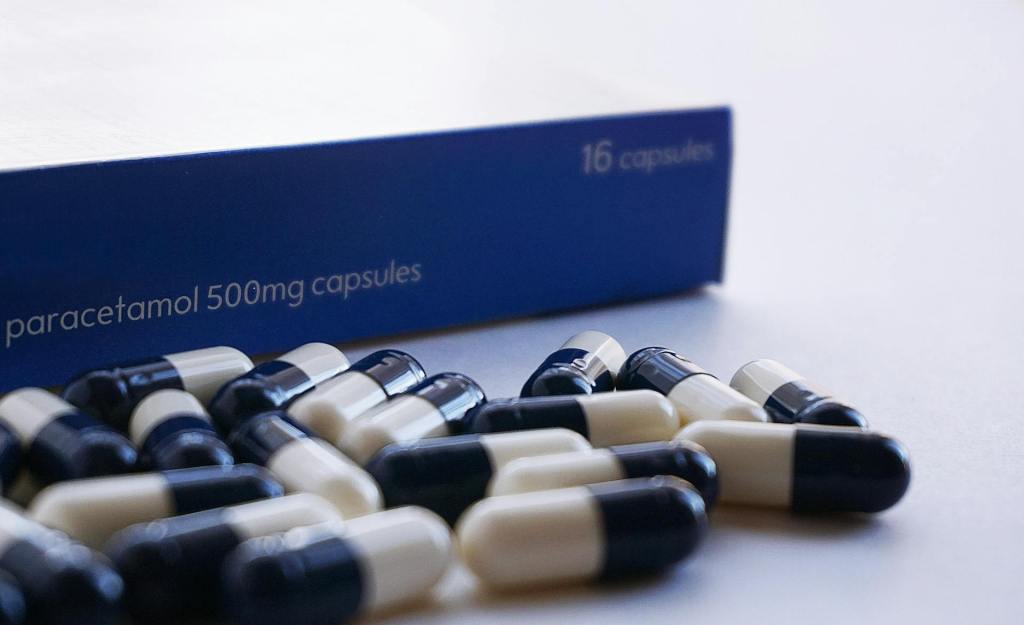
Paracetamol (also known as acetaminophen or Tylenol) is one of the most commonly used medications during pregnancy, often recommended to manage pain and fever. However, over the past several years, parents have encountered alarming headlines suggesting that using paracetamol during pregnancy might increase the risk of autism, ADHD, or other developmental challenges in children.
A recent high-quality study published in The Lancet Obstetrics, Gynaecology & Women’s Health provides much-needed clarity. This article explains the findings in clear, parent-friendly language and outlines what the science actually tells us.
Table of contents
Why Was This Research Important?
Earlier studies reported associations between prenatal paracetamol exposure and neurodevelopmental conditions. These findings raised concerns, but they also had important limitations.
Many earlier studies could not fully account for:
- The reason paracetamol was taken (such as infection or fever)
- Genetic and family factors
- Other environmental or social influences
As a result, it was unclear whether paracetamol itself posed a risk, or whether the observed associations were due to other underlying factors. The new Lancet paper was designed specifically to address these concerns.
Research Methodology: How Was the Study Conducted?
To produce the most reliable conclusions possible, the researchers used a systematic review and meta-analysis, one of the strongest forms of medical evidence.
What does that mean?
- A systematic review involves searching multiple scientific databases to identify all relevant studies on a topic, using strict inclusion and exclusion criteria.
- A meta-analysis statistically combines results from multiple studies to provide a more precise overall estimate of risk.
What Did the Researchers Analyse?
- 43 observational studies involving large populations of pregnant individuals and their children
- Outcomes included:
- Autism spectrum disorder (ASD)
- Attention-deficit/hyperactivity disorder (ADHD)
- Intellectual disability
Because it would be unethical to randomly assign medications during pregnancy, all included studies observed real-world medication use.
Stronger Study Designs Were Prioritised
Importantly, the researchers paid special attention to:
- Sibling-comparison studies, which compare siblings exposed differently during pregnancy
- Adjustment for confounding factors, such as maternal illness, genetics, and socioeconomic background
- Risk-of-bias assessments, giving greater weight to higher-quality studies
These methods significantly reduce the chance that results are explained by family background or genetic risk rather than medication exposure.
Annotated PDF of the Original Research Paper
I’ve attached my annotated copy of the research paper for quick reference. Please note: For the best experience and to ensure you have the canonical version, I recommend visiting the official website, The Lancet Obstetrics, Gynaecology, & Women’s Health ↗️, to download the original publication.
What Did the Study Find?
After analysing all available high-quality evidence, the researchers found no convincing evidence that paracetamol use during pregnancy, when used as recommended, is associated with an increased risk of:
- Autism spectrum disorder
- ADHD
- Intellectual disability
Notably, studies with the strongest designs showed no association at all, suggesting earlier concerns were likely influenced by bias or unmeasured confounding factors.
Why These Findings Are Reassuring for Parents
This study represents one of the most comprehensive and methodologically rigorous reviews conducted on this topic to date. By carefully addressing the weaknesses of earlier research, it provides a clearer and more reliable answer.
The findings support current clinical guidance that paracetamol, when used appropriately, remains a safe and effective option for managing pain and fever during pregnancy.
What Should Parents and Expectant Mothers Do?
- Use paracetamol only when necessary, at the lowest effective dose, and for the shortest possible duration
- Always follow advice from a doctor, midwife, or healthcare provider
- Remember that untreated fever or severe pain can also pose risks during pregnancy
Key Takeaway
Based on the best available evidence, including this landmark Lancet review, paracetamol use during pregnancy does not appear to increase the risk of major neurodevelopmental disorders in children when used as directed.
For parents, this research offers reassurance and supports informed, evidence-based decision-making.
Reference
The Lancet Obstetrics, Gynaecology & Women’s Health. (2025). Prenatal paracetamol exposure and neurodevelopmental outcomes in children: A systematic review and meta-analysis.
https://www.thelancet.com/journals/lanogw/article/PIIS3050-5038(25)00211-0/fulltext
Support us ❤️
Raising a baby is a journey filled with love, learning, and everyday discoveries. If you find value in what we share on Raising a Baby and would like to support our work, you can contribute via PayPal. Every bit of support helps us continue this journey—thank you for being part of our story.


