

Parenting a one-year-old often involves moments of surprise and amusement, especially when your little one pulls off your glasses or tugs at mom’s dangling earrings. While this can be mildly frustrating, it’s also a sign of your child’s healthy development. Let’s delve into the reasons behind this behavior and explore related patterns that showcase a baby’s growing curiosity about the world around them.
Sensory Exploration: Learning Through Touch and Sight
Babies are natural explorers, using their hands, eyes, and mouths to understand their environment. Between 6 and 12 months, their sensory systems become highly active, and they rely on physical interaction with objects to learn. Glasses and earrings often become prime targets because:
- Glasses have unique textures, shapes, and moving parts.
- Earrings are shiny, dangling, and visually appealing.
Research shows that sensory exploration helps babies develop neural connections that underpin their learning abilities. The act of grasping and interacting with unfamiliar objects like glasses and jewelry is a way for babies to expand their sensory experiences and make sense of their surroundings.
Motor Skill Development: Practicing Precision
Grabbing and pulling objects is more than playful behavior—it’s an essential way for babies to refine their motor skills.
- When pulling off glasses, babies practice their grasp and release movements.
- Tugging at earrings requires precision, strengthening their pincer grip and hand-eye coordination.
Fine motor skills begin developing around 4 months, but by the time babies are 9–12 months old, they engage in more intricate tasks like picking up small objects or manipulating dangling items. These interactions, though sometimes disruptive, are part of their developmental milestones.
Cause-and-Effect Learning: What Happens When I Do This?
Babies are fascinated by cause and effect—what happens when they pull on glasses or earrings? The reaction from their parents is often an exciting part of the equation:
- Mom or Dad might laugh 😂, gently scold, or take the object away.
- The baby learns about social interactions, boundaries, and object permanence.
Studies found that actions eliciting a noticeable response help babies develop cognitive skills, including problem-solving and understanding social cues. It’s also why they love repeating the same actions—they’re learning through repetition!
Similar Behaviors: More Signs of Growing Curiosity
Pulling glasses or earrings isn’t the only curious behavior you’ll notice in your baby. Here are other patterns that reflect their burgeoning interest in the world:
- Hair Pulling: Babies often grab and tug at their parents’ hair, especially if it’s long or textured. This provides tactile feedback that stimulates their sense of touch.
- Grabbing at Buttons or Zippers: Clothing items with textures, shapes, or sounds often draw a baby’s attention.
- Mouthing Objects: From toys to household items, babies put objects in their mouths to explore taste and texture. This behavior is part of oral sensory development.
- Pointing at and Reaching for Objects: Babies around 9–12 months begin pointing to indicate interest or desire, showcasing their early communication and neuromotor skills.
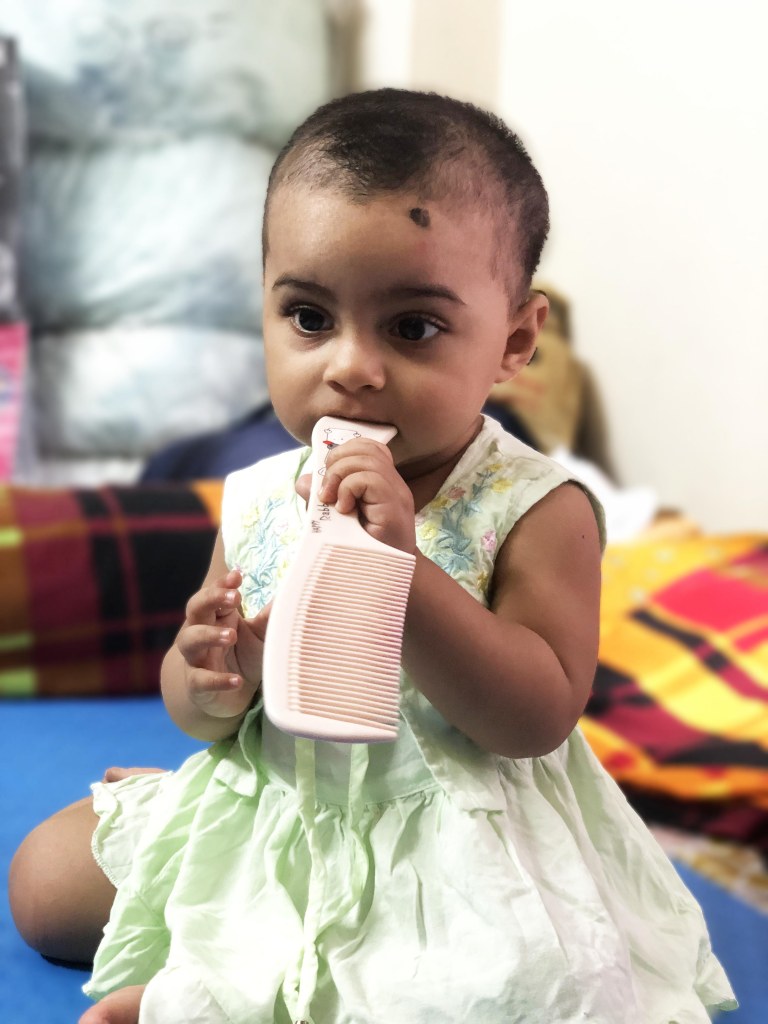
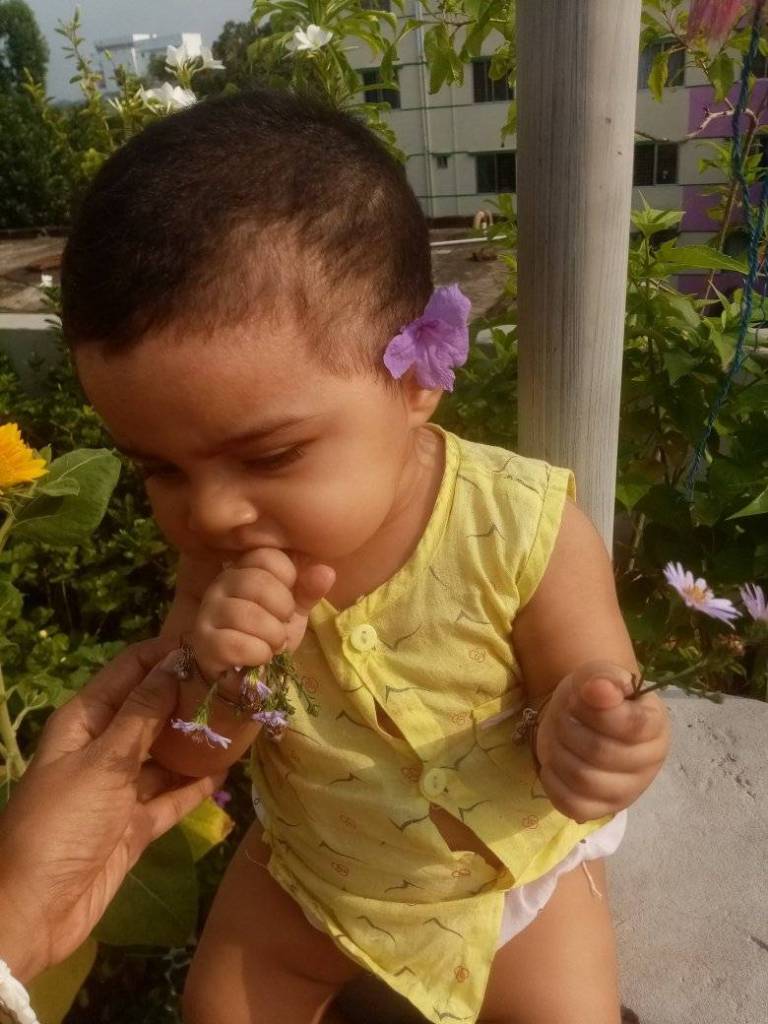
Real-life Illustration: A baby will put almost anything in their mouth. © Sajal Kanti Ghosh
How to Manage This Behavior
While these behaviors are developmentally appropriate, they can occasionally pose safety risks (e.g., earrings being pulled too hard). Here are some tips to manage these situations:
- Redirection: Gently offer your baby a toy or other safe object to distract them.
- Set Boundaries: Calmly say “no” and remove the object when needed. Babies gradually learn limits through consistent communication.
- Provide Safe Alternatives: Offer toys designed for sensory exploration, such as textured rattles or teething rings.
- Keep Glasses Secure: Use a strap to hold glasses in place or remove them when holding your baby.
Final Thoughts: A Window Into Their World
Your baby’s fascination with glasses, earrings, and similar items is part of their journey to understand the world. By engaging with their environment, they’re developing critical sensory, motor, and cognitive skills. While it can sometimes be challenging, celebrating these moments of curiosity helps nurture their growth.


