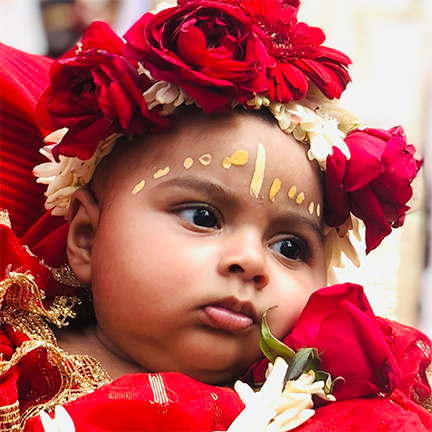
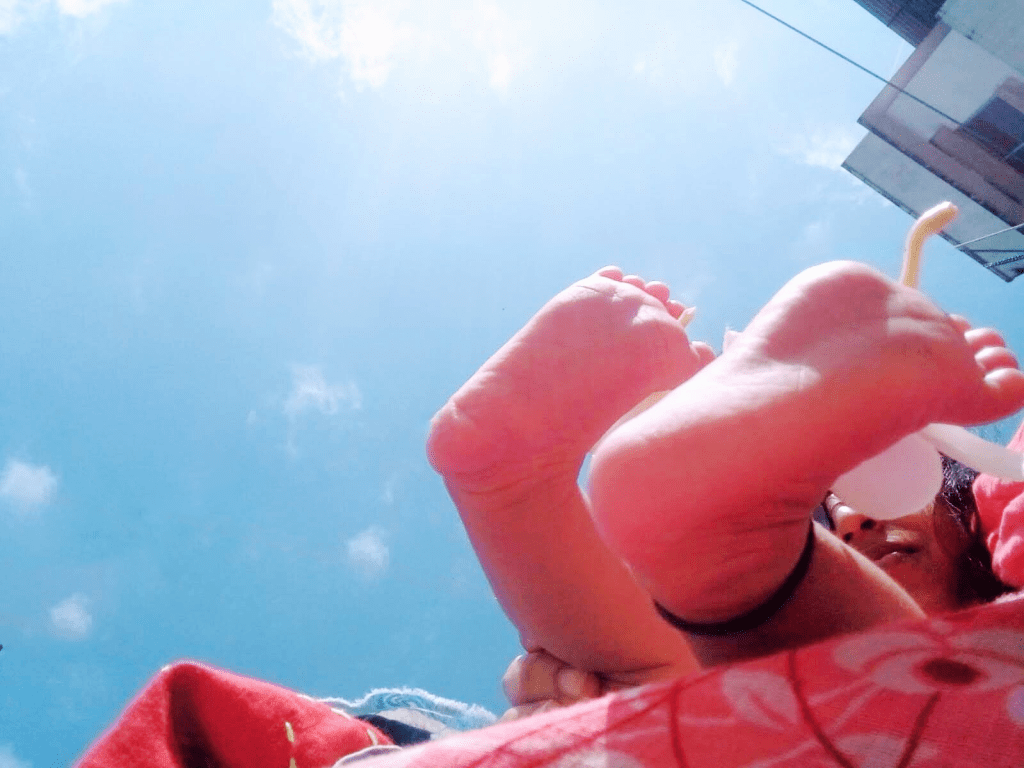
Human babies may seem entirely dependent at birth, but they come equipped with some surprising instincts. Unlike animals like horses 🐎, who can walk shortly after birth, human infants 👶 take about a year to achieve independent 👣 mobility. However, did you know that even newborns have a built-in walking reflex? This article explores the fascinating “stepping reflex” in newborns and other reflexes that play a crucial role in early motor development. Let’s dive into how you can observe these reflexes and what they mean for your child’s growth.
Simple Game to Play with Your Newborn
Age: 0-3 Months:
Skill focus: The Stepping Reflex and Early Motor Skills
What you’ll need:
- Your newborn
- A flat, sturdy surface
How it Works: The Stepping Reflex Explained
- Pick up your tiny, floppy-headed little baby with your hands firmly underneath her arms.
- Hold her in an upright position, as if she were actually capable of controlling her body well enough to walk, rather than just collapsing into the cute little ball of diaper, skin, and baby fat that she truly is.
- Position your baby over a flat surface like a table or the floor, with her feet just close enough to touch.
- Slowly move her forward along the surface, paying close attention to the movements she’s making with her legs.
Did you see that? That thing your child was just doing with her feet? She’s a newborn, many months away from even thinking about taking her first step, yet she’s already making walking movements with her legs! Pretty amazing, huh?
This phenomenon, known as the “stepping reflex,” is a natural instinct that emerges at birth and typically disappears by around three months. According to research, this reflex does not vanish entirely but goes dormant due to the increasing weight of a baby’s legs compared to their muscle strength (Zelazo, 1983).
Original Research
In the article “The Development of Walking: New Findings and Old Assumptions,“ Philip R. Zelazo (1983) investigates the progression of walking in infants, challenging traditional views on the motor development process.

“Based on three independent observations by McGraw (1935), Andre Thomas and Autgaerden (1953, 1966), and our own son, we set out to test whether the stepping response could be maintained in the newborn infant if daily practice were allowed (Zelazo, Zelazo, & Kolb, 1972a).
The prevailing and widely held assumption was that the infant’s reflexive stepping response disappeared between 4 and 16 weeks of age. The impression conveyed in the literature was that the disappearance of the reflexive response was intended as a literal, not metaphorical, characterization. Indeed, some (e.g., Bruner & Bruner, 1968) suggested that the disappearance was complete and that in no way did the earlier reflexive components relate to the subsequent mechanisms involved in independent walking.
Zelazo, Zelazo, and Kolb (1972a) examined the effect of daily exercise of the stepping reflex using a defined procedure, controlled durations of exercise, and appropriate control groups. The principal experimental question was whether daily exercise would prevent disappearance of the stepping reflex over 7 weeks of training.”
Zelazo critiques the longstanding view that motor development, including walking, is purely a result of neural maturation. Instead, he suggests that experience and environmental interaction can influence this developmental milestone. Practice and environmental factors play significant roles in the onset of independent walking. He demonstrates that infants exposed to specific motor training may begin walking earlier than previously thought.”
Source: Zelazo, P. R. (1983). The development of walking: New findings and old assumptions. Journal of Motor Behavior, 15(2), 99-137.
The Role of Reflexes in Newborns’ Development
In addition to the stepping reflex, newborns display several other reflexes:
- Sucking Reflex: Helps with feeding by encouraging suckling.
- Grasp Reflex: Causes a baby to close their hand around an object placed in their palm.
- Babinski Reflex: When the sole of a baby’s foot is stroked, they fan out their toes.
- Rooting Reflex: Encourages a baby to turn toward a touch on their cheek, helping them find their food source.
- Moro Reflex: The startle reflex, often triggered by a sudden noise, makes babies throw out their arms and bring them back in, preparing them for potential harm.
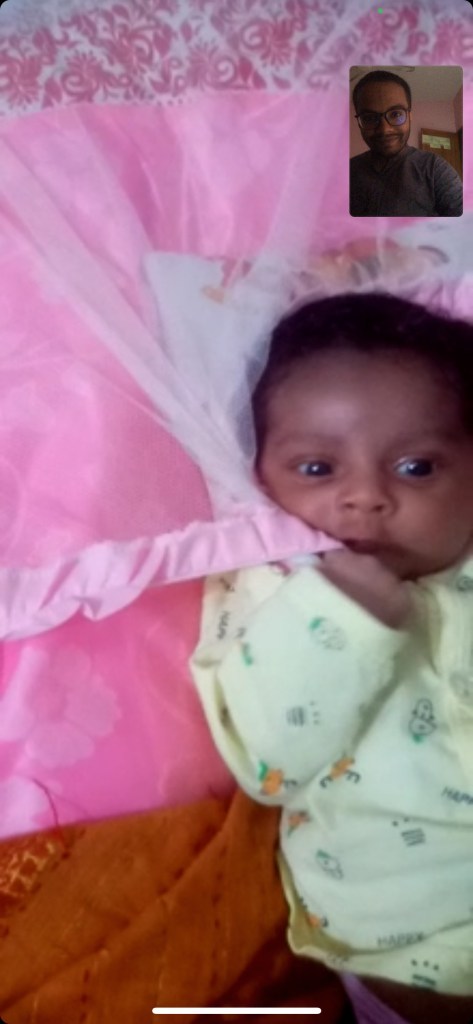
Each reflex has a specific purpose that aids in survival, feeding, and early exploration of the world. These instincts gradually fade as babies develop voluntary control over their movements expect (
American Academy Of Pediatrics, 2024).
Why the Stepping Reflex Disappears
An interesting thing about the stepping reflex is that although it is already present as soon as your baby is born, it actually goes away at about three months old, and it doesn’t reemerge until about a year old, when it becomes part of the motion kids use to actually start walking. So what’s with the disappearing act? Did your baby suddenly forget how to do this? The answer is “no” or “maybe, but even if she did, that has nothing to do with this.”
Around the three-month mark, the stepping reflex seems to vanish, but it’s not lost entirely. As babies grow and gain weight, their leg muscles are not yet strong enough to bear their increased mass. The reflex is simply dormant, ready to re-emerge when your child is ready to start taking actual steps.
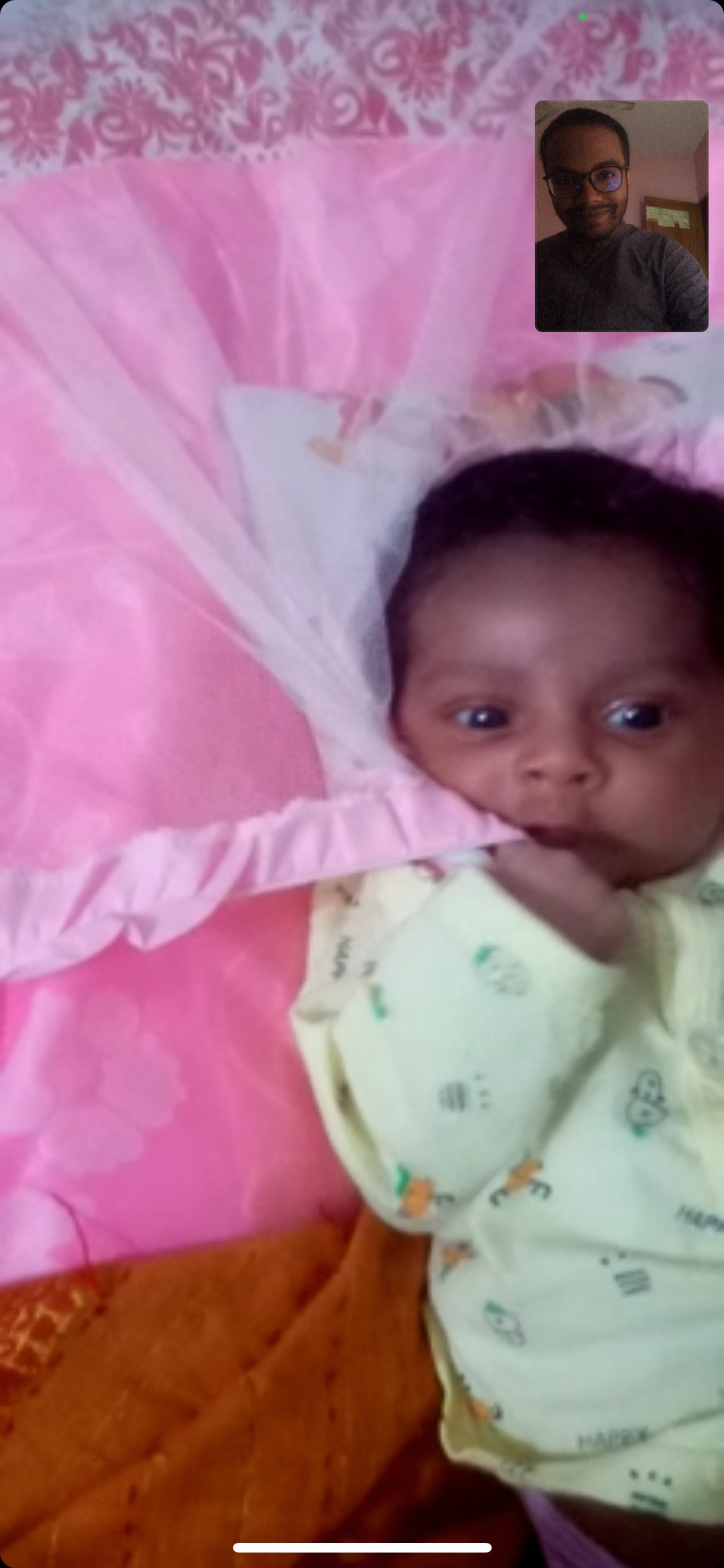


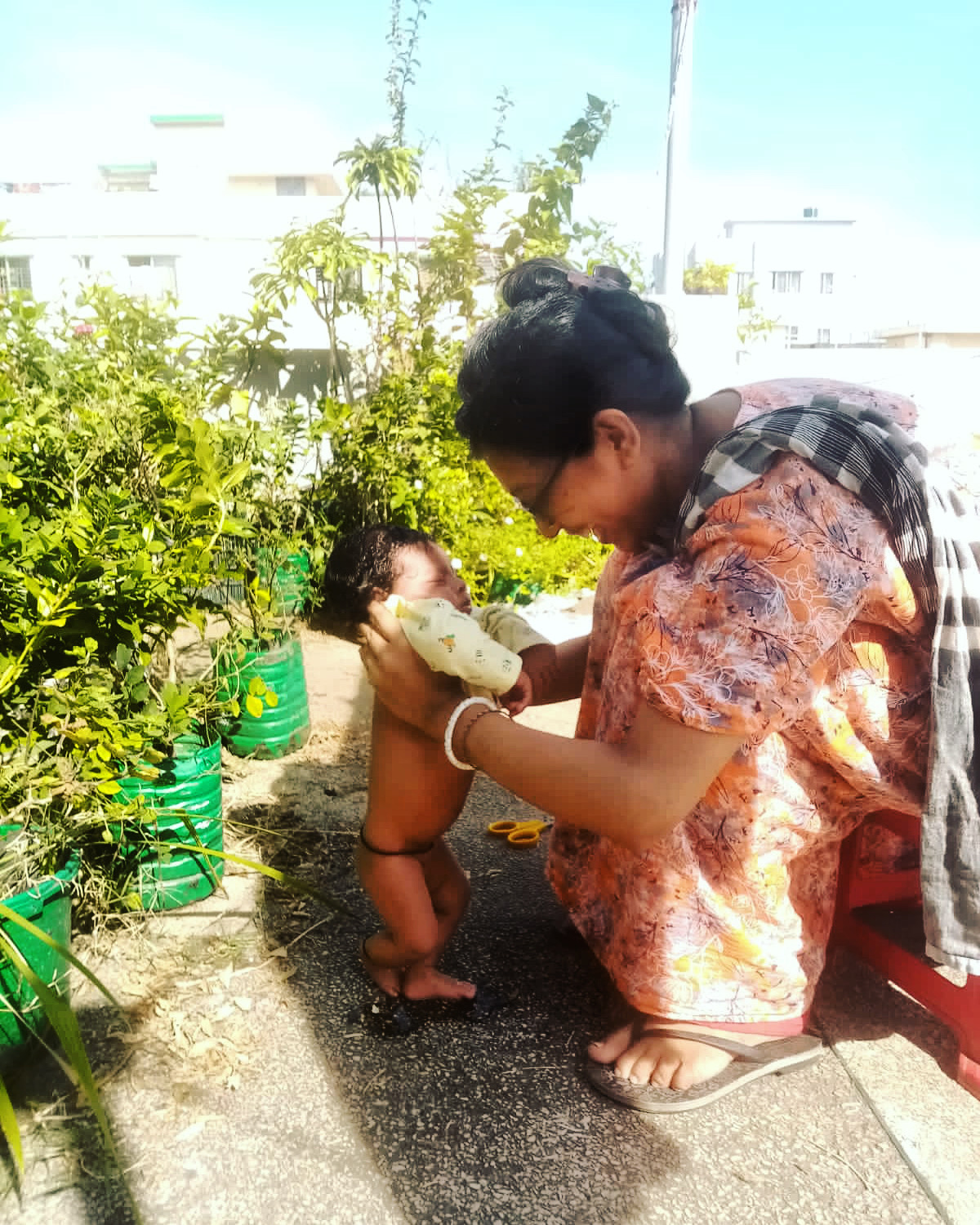
Different types of reflexes of my baby daughter. Copyright: Sajal & Associates
The following are some normal inborn reflexes you will see during the first weeks. Not all infants acquire and lose these reflexes at exactly the same time, but this table will give you a general idea of what to expect (
American Academy Of Pediatrics, 2024).
| Reflex | Age When Reflex Appears | Age When Reflex Disappears |
|---|---|---|
| Stepping | Birth | 2 Months |
| Rooting | Birth | 4 Months |
| Palmar grasp | Birth | 5-6 months |
| Moro reflex | Birth | 2 months |
| Tonic neck reflex | Birth | 5-7 months |
| Plantar grasp | Birth | 9-12 months |
Tips for Supporting Your Baby’s Motor Skills
Avoid Walkers for Motor Development
While baby walkers seem helpful for keeping children mobile and entertained, research indicates they can actually delay walking milestones. A study published in Developmental Psychology found that excessive time spent in walkers correlates with delays in walking and other motor skills (Siegel & Burton, 1999). Walkers can restrict movement, limiting a baby’s natural inclination to explore through crawling and cruising.
Original Research
“Because baby walkers enable precocious locomotion in very young, otherwise prelocomotor infants, walker experience might be conceptualized in terms of early enrichment. However, walker devices prevent visual access to the moving limbs by design. Therefore, prelocomotor walker experience may be conceptualized in terms of early deprivation, reminiscent of that created in a classic series of animal experiments on the critical role of visual feedback in developing motor systems. This study analyzed motor and mental development in 109 human infants, with and without walker experience, between the ages of 6 and 15 months. Walker-experienced infants sat, crawled, and walked later than no-walker controls, and they scored lower on Bayley scales of mental and motor development. Significant effects of walker type, frequency, and timing of walker exposure were observed. Considering the injury data along with the developmental data, the authors conclude that the risks of walker use outweigh the benefits.“
Source: Siegel, A. C., & Burton, R. V. (1999). Effects of baby walkers on motor and mental development in human infants. Journal of Developmental & Behavioral Pediatrics, 20(5), 355-360.
Encourage “Baby Work” Time
To support motor skill development, give your baby plenty of floor time. Let them spend time on mats, explore toys, and, when they’re older, crawl around safely. By allowing independent exploration, you’re nurturing curiosity, coordination, and motor skills that pave the way for walking and other milestones.
Conclusion
Observing the stepping reflex and other newborn reflexes can be a magical experience for parents. Although your child won’t be ready to walk independently for a while, their instincts and reflexes hint at the milestones to come. By encouraging natural exploration and supporting motor skill development, you’re setting a strong foundation for your baby’s first real steps.
References
American Academy Of Pediatrics. (2024). Caring for your baby and young child: birth to age 5 (8/e ed.). Bantam. https://doi.org/10.1542/9781610027182
Ankowski, A., & Ankowski, A. (2015). Think Like a Baby: 33 Simple Research Experiments You Can Do at Home to Better Understand Your Child’s Developing Mind. Chicago Review Press. https://www.amazon.com/Think-Like-Baby-Experiments-Understand/dp/1613730632
Siegel, A. C., & Burton, R. V. (1999). Effects of baby walkers on motor and mental development in human infants. Developmental Psychology, 35(3), 465-470.
Zelazo, P. R. (1983). The development of walking: New questions, new answers. Child Development, 54(4), 937-946.


