As parents and childcare professionals, understanding a child’s physical development can help ensure they’re on track for healthy growth. One key aspect of this development is the emergence of “motor milestones,” which refer to specific physical skills that typically develop in a predictable order as children grow. While these milestones help identify normal progress, it’s also important to recognize that every child’s development is unique.
What Are Motor Milestones?
Motor milestones are observable, predictable stages of a child’s physical development. They fall into two categories:
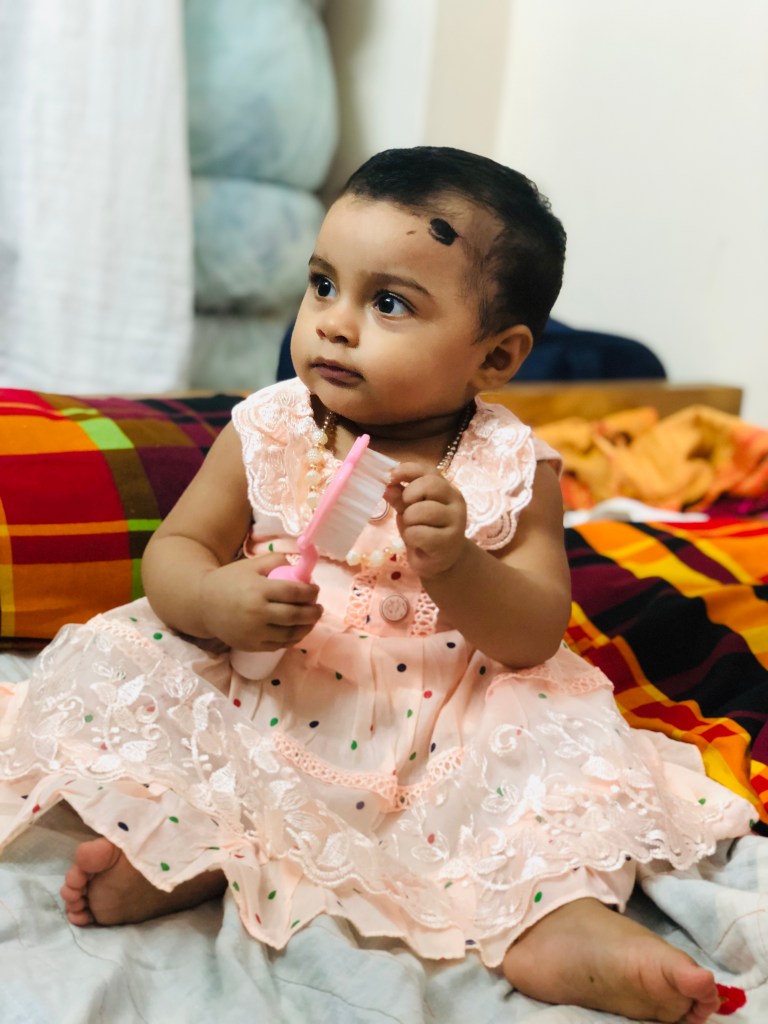
- Gross motor skills: Involve larger movements such as sitting, crawling, walking, and running.
- Fine motor skills: Include more delicate actions like grasping objects, picking up small items, and manipulating toys.
These milestones help pediatricians, early childhood educators, and parents assess a child’s overall development, providing insight into whether the child’s physical and neurological systems are maturing as expected.
Physical Development in Early Childhood
Physical development encompasses not just the growth of muscles and coordination, but also sensory and perceptual abilities. From birth, children are eager to explore the world around them. Their movements—whether gross or fine—are crucial for learning how their body functions in relation to their surroundings.
Babies and toddlers develop their motor skills through sensory experiences. For example, a baby might learn to clap their hands after hearing music, while a toddler might squeeze clay to explore how it changes shape. This interaction between senses and movement helps them make sense of the world.
The Importance of Perceptual Development
Perceptual development refers to how children use their senses—sight, hearing, touch, and smell—to process information about the world. These sensory inputs drive movement, allowing children to react and explore their environment.
For instance:
- A baby might see a toy across the room and attempt to crawl toward it.
- A toddler might hear music and instinctively begin dancing.
These actions showcase how physical and perceptual development work hand in hand. Children who feel safe and supported are more likely to engage in these activities, building their confidence in new physical skills. Research shows that strong, positive relationships with caregivers help foster this development .
Motor Milestone Timelines
Motor milestones follow a typical sequence, but it’s important to remember that not all children progress at the same rate. According to the World Health Organization (WHO), some common motor milestones include:
| Motor Milestone | Performance criteria |
|---|---|
| 1. Sitting without support | Child sits up straight with the head erect for at least 10 s. Child does not use arms or hands to balance body or support position. |
| 2. Hands-and-knees crawling | Child alternately moves forward or backward on hands and knees. The stomach does not touch the supporting surface. There are continuous and consecutive movements, at least three in a row. |
| 3. Standing with assistance | Child stands in upright position on both feet, holding onto a stable object (e.g., furniture) with both hands without leaning on it. The body does not touch the stable object, and the legs support most of the body weight. Child thus stands with assistance for at least 10 s. |
| 4. Walking with assistance | Child is in upright position with the back straight. Child makes sideways or forward steps by holding onto a stable object (e.g., furniture) with one or both hands. One leg moves forward while the other supports part of the body weight. Child takes at least five steps in this manner. |
| 5. Standing alone | Child stands in upright position on both feet (not on the toes) with the back straight. The legs support 100% of the child’s weight. There is no contact with a person or object. Child stands alone for at least 10 s. |
| 6. Walking alone | Child takes at least ve steps independently in upright position with the back straight. One leg moves forward while the other supports most of the body weight. There is no contact with a person or object. |
Here is a visual graph illustrating six gross motor milestones:
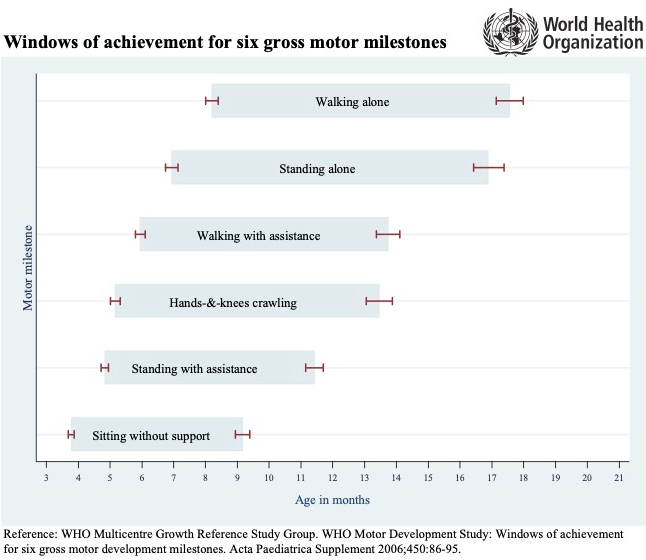
However, motor development may not always follow a strict timeline. Some children may skip certain stages (like crawling) or take a little longer to master specific skills, but this isn’t always cause for concern.
External Factors That Influence Motor Development
Two major external factors that can influence motor milestones are culture and socioeconomic status. Some cultures place a greater emphasis on early motor skill development, while others focus on other developmental areas, which can lead to variations in when children achieve certain milestones . Additionally, children raised in environments with fewer resources may experience different rates of motor development compared to those with abundant access to toys and play spaces.
When to Seek Support
While minor variations in motor development are normal, significant delays may warrant further investigation. If a child is missing multiple milestones or regressing in skills they previously mastered, it’s worth consulting a healthcare professional for guidance.
Conclusion
Understanding motor milestones helps parents and caregivers nurture their child’s growth while being mindful that every child develops at their own pace. With a supportive environment and loving relationships, children can confidently explore the world and reach their full physical potential.
References
Illinois Early Learning Project. (2012). Illinois early learning guidelines for children birth to age 3. Illinois Early Learning Project; University of Illinois Urbana-Champaign. https://illinoisearlylearning.org/ielg/
Libertus, K., & Smith, D. K. (2020). Milestones: Physical development from birth to age 3.
WHO Multicentre Growth Reference Study Group. (2006). Motor development milestones. World Health Organization. https://www.who.int/tools/child-growth-standards/standards/motor-development-milestones


Comments
One response to “Physical Development: Key Milestones, Progression, and Influences”
[…] Fine motor skills begin developing around 4 months, but by the time babies are 9–12 months old, they engage in more intricate tasks like picking up small objects or manipulating dangling items. These interactions, though sometimes disruptive, are part of their developmental milestones. […]
LikeLike