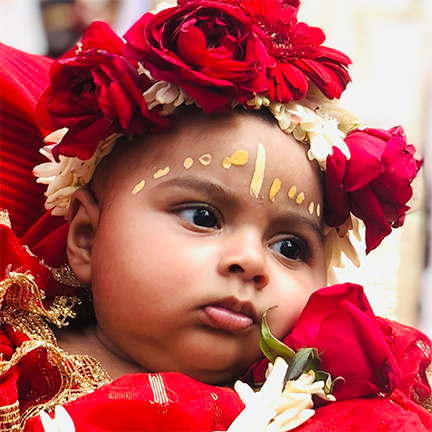
As parents, watching our little ones grow and achieve new milestones is a heartwarming journey. One of the earliest signs of your baby’s development comes in the form of gross motor skills—those important abilities that involve using the large muscles of the body. From their first tummy time to the exciting moment they roll over or attempt to sit up, these movements lay the foundation for future skills like walking, running, and jumping.
But what exactly are gross motor skills, and how can we, as parents, help nurture them?
What Are Gross Motor Skills?
Gross motor skills involve the larger muscle groups, particularly in the arms, legs, and torso. These skills are responsible for movements like crawling, rolling over, sitting up, and eventually walking. In the early stages of life, babies are constantly developing and coordinating these muscles to purposefully move their bodies.

By strengthening these muscles, babies are not just learning to move—they are developing coordination, balance, and even preparing themselves for complex tasks like standing and walking.
What are Key Milestones from Birth to 9 Months?
From the day they’re born, your baby will start working on gross motor skills, though it may not always be obvious at first. Here’s a timeline of important milestones you can look forward to:

- Lifting Their Head: Around the first few weeks of life, during tummy time, your baby will start lifting their head. This is the foundation for neck strength and head control.
- Bringing Feet to Mouth (3–6 months): While lying on their back, babies often grab their feet and bring them to their mouths. This playful action shows they are learning to coordinate their movements and improve flexibility.
- Rolling Over (4–6 months): One of the first major mobility milestones is rolling over—from back to stomach and vice versa. This is a sign of growing strength in the back, neck, and arms.
- Sitting Up (6–8 months): By 6 to 8 months, your baby may begin to sit up without assistance. At first, they might need support, but soon they’ll balance on their own, signaling greater control over their large muscles.
- Scooting (7–9 months): Babies love to explore, and scooting on their tummies or bottoms is one way they do it before learning to crawl. This movement builds both upper body and core strength.
The Power of Tummy Time
If you want to encourage your baby’s development, tummy time is key. Tummy time refers to the period when babies are placed on their stomachs while awake. During this time, they practice lifting their head and pushing up with their arms, strengthening their neck and upper body muscles.

According to the American Academy of Pediatrics, starting tummy time as early as possible—just a few minutes at a time, multiple times a day—helps reduce the risk of flat head syndrome and supports healthy muscle development . As your baby gets stronger, you can gradually increase the duration.
Original research
Here is information from the American Academy of Pediatrics for parents and caregivers about doing tummy time with babies and creating a safe sleep environment for them.
Play and interact with babies while they are awake and on their tummy 2 to 3 times each day for a short time (3–5 minutes), increasing the amount of tummy time as babies show they enjoy it. Work up to 15 to 30 minutes each day by 7 weeks. A great time to do this is when babies finish a diaper change or wake up from a nap. Tummy time prepares babies for being able to slide on their belly and crawl. As babies grow older and stronger, they need more time on their tummy to build their own strength. Start from the first day home from the hospital.
Source: American Academy of Pediatrics. (2022). Back to sleep, tummy to play. Pediatric Patient Education. https://doi.org/10.1542/peo_document285
How to Help Your Baby Develop Gross Motor Skills
Every baby develops at their own pace, but there are some things you can do to help encourage gross motor skills:
- Create a Safe Play Area: Designate a soft, safe area on the floor for your baby to explore. This encourages rolling, reaching, and scooting, helping them engage those important muscles.
- Engage with Them: Be your baby’s biggest cheerleader! Support them during tummy time and when learning to sit or balance. A gentle hand can provide the reassurance they need while mastering new movements.
- Encourage Movement with Toys: Place toys just out of reach to motivate your baby to move toward them. This encourages stretching, reaching, and eventually, crawling.
Caution
- If your baby was born premature or has reflux disease or special needs, speak with your child’s pediatrician about tummy time. Some babies need special consideration.
- Once your baby starts participating in tummy time, be sure to provide supervision. In this world of distractions, your phone will ring or you’ll get called to another room. Just remember to stay with your baby to avoid suffocation.
Final Thoughts
Gross motor skills are essential building blocks for your child’s physical and cognitive development. Through tummy time, scooting, rolling, and sitting, babies learn not only to move but also to interact with the world around them. Celebrate every little milestone and remember that each baby is unique—some may progress faster than others, and that’s perfectly okay.
So next time your little one is happily kicking their legs or rolling over with determination, know that they’re doing much more than just moving—they’re growing stronger with each tiny effort.
References
American Academy of Pediatrics. (2022). Back to sleep, tummy to play. Pediatric Patient Education. https://doi.org/10.1542/peo_document285
Illinois Early Learning Project. (2012). Illinois early learning guidelines for children birth to age 3. Illinois Early Learning Project; University of Illinois Urbana-Champaign. https://illinois.edu/


