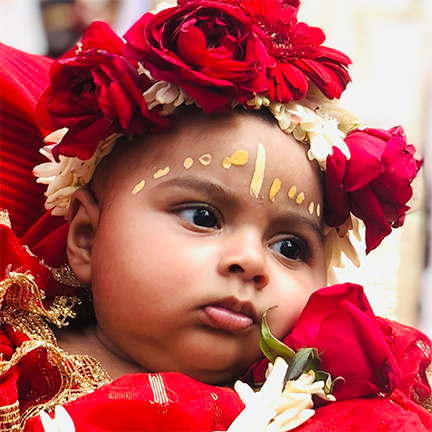

Have you ever watched a baby discover their body for the first time? It’s truly magical! From the moment they’re born, children are on a fascinating journey to master their gross motor skills—the big movements that involve the large muscle groups in their bodies, like their arms, legs, and torso. Let’s dive into how this development unfolds and why it’s so important.
The Stages of Gross Motor Skills
Gross motor development follows a top-to-bottom approach. Picture this: a newborn begins by learning to control their head. Once that’s achieved, they start to develop their torso, leading to the incredible milestones of rolling over and sitting up. As they gain strength and coordination, they’ll eventually crawl, cruise, and take those thrilling first steps toward walking.

What is Tummy Time?
Tummy time refers to placing baby on their stomach while they are awake and someone is watching them.

The Importance of Tummy Time
One key activity in this developmental journey is “tummy time.” This simple practice helps babies build neck strength, which is crucial for head control. By spending time on their tummies, little ones also strengthen their torsos, laying the groundwork for rolling and pushing up. Once they can sit up, the world opens up! They’re now able to explore their surroundings in new ways, leading to scooting, crawling, and ultimately walking.
Tummy time is important because it helps to:
- Strengthen baby’s neck, shoulder, and arm muscles so the baby can start to sit up, crawl, and eventually walk on their own
- Improve baby’s ability to move and control their muscles to complete various actions (sometimes called “motor skills”)
- Prevent flat spots on the back of baby’s head
The Impact of Individual Differences
It’s important to recognize that every child’s journey is unique. Some may face challenges due to physical disabilities or health issues, which can affect how they master gross motor skills. For instance, a child with a disability may achieve a milestone like walking with a walker by age three, and that’s something to celebrate! The key is to support each child’s individual growth, focusing on their unique abilities.
Why It Matters
Gross motor skills are essential for children not only because they enable mobility but also because they contribute to overall physical development. These skills help children gain confidence and independence, allowing them to interact with the world around them in exciting and enriching ways.
Caution
- If your baby was born premature or has reflux disease or special needs, speak with your child’s pediatrician about tummy time. Some babies need special consideration.
- Once your baby starts participating in tummy time, be sure to provide supervision. In this world of distractions, your phone will ring or you’ll get called to another room. Just remember to stay with your baby to avoid suffocation.
In short, whether it’s a baby taking their first wobbly steps or a child overcoming obstacles to achieve their own milestones, gross motor development is a beautiful process to witness. So, let’s give our little ones the time and space they need to thrive and celebrate every step of their journey!
References
Illinois Early Learning Project. (2012). Illinois early learning guidelines for children birth to age 3. Illinois Early Learning Project; University of Illinois Urbana-Champaign. https://illinois.edu/
National Institute of Child Health and Human Development. (n.d.). Benefits of tummy time. https://Safetosleep.Nichd.Nih.Gov/; Safe to Sleep. Retrieved September 27, 2024, from https://safetosleep.nichd.nih.gov/reduce-risk/tummy-time


